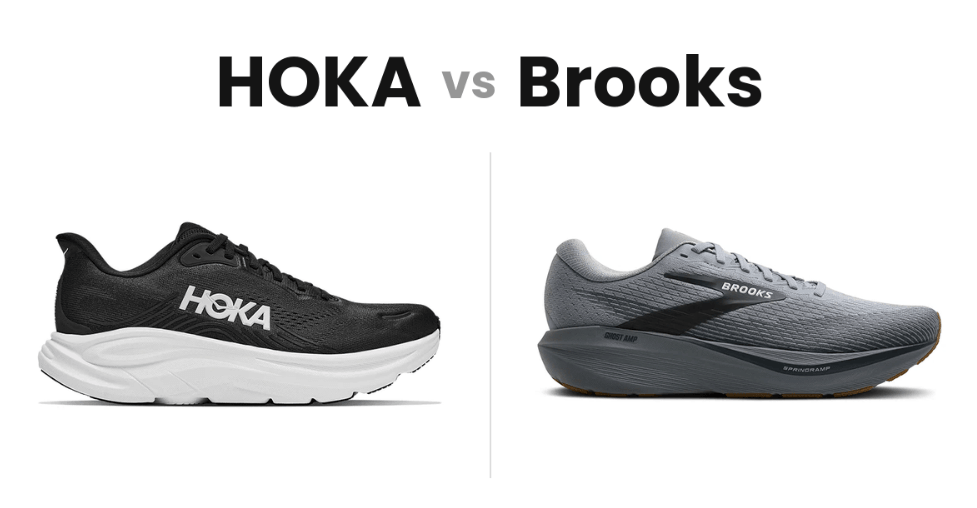
Whether you're a lunchtime jogger or an all-terrain hustler, you may have noticed that the running world keeps steering you toward two names: HOKA and Brooks. These two brands have spent years perfecting how a shoe cushions, supports and propels you, but they differ in their approach.
HOKA is best for runners who want plush, joint-saving cushioning and a smooth ride, while Brooks is best for structured support, lasting durability and a springier, more grounded step.
How do you know which is best for you? Tradehome Shoes workers have been your neighborhood shoe experts since 1921. Our employee-owners log plenty of miles themselves, and we know these brands inside and out. Below, we’ll break down the HOKA vs Brooks debate so you can lace up with confidence.
Key Takeaways
Neither brand is objectively better. The right shoe for you depends on your gait, foot shape and preferred feel.
HOKA leans into maximal, pillowy cushioning and a smooth MetaRocker™ roll, making it a favorite for joint relief and long, easy miles.
Brooks delivers a more structured, springy ride with GuideRails™ support and a roomier toe box, ideal for runners managing pronation.
Both brands carry APMA-accepted models built to last for hundreds of miles.
Tradehome’s RealFit 3D scanner takes the guesswork out of shoe shopping by matching your foot to the right style and size.
Why HOKA Running Shoes Are Popular
Born in the French Alps in 2009, HOKA flipped the script when the rest of the industry was chasing minimalism. The brand went big, stacking on thick, marshmallow-soft midsoles designed to help trail runners bomb down hills without trashing their joints.
That maximalist DNA is now its calling card, and you can spot those chunky soles doing everything from running marathons to running errands. Explore the HOKA collection to see the full range of options.
Runners reach for HOKA because of:
Exceptional cushioning that softens impact and protects tired joints.
The smooth, rolling ride thanks to the curved MetaRocker™ sole.
The surprisingly lightweight feel that keeps legs fresh on long runs.
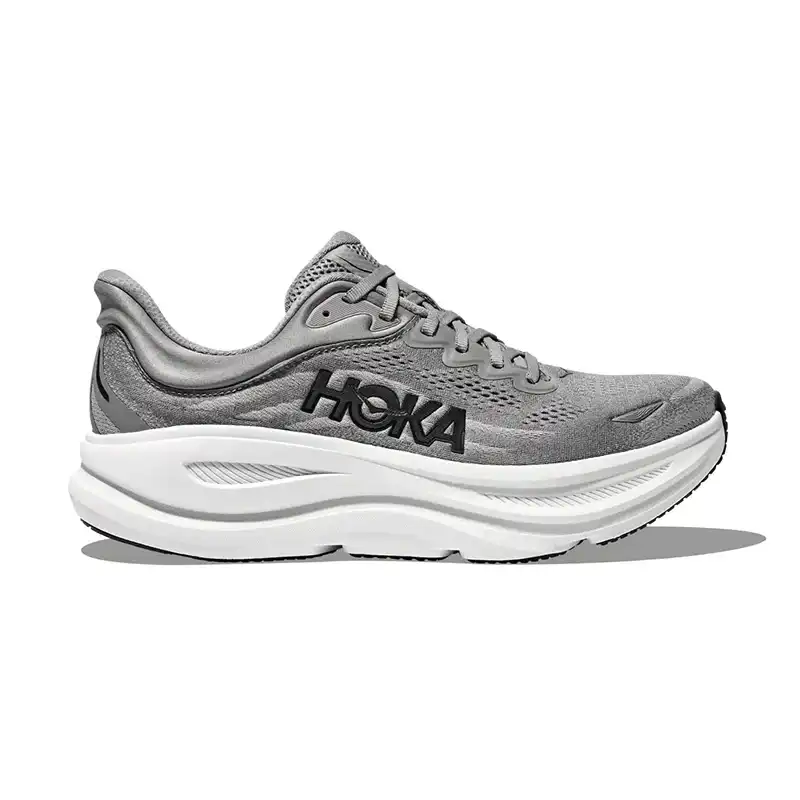
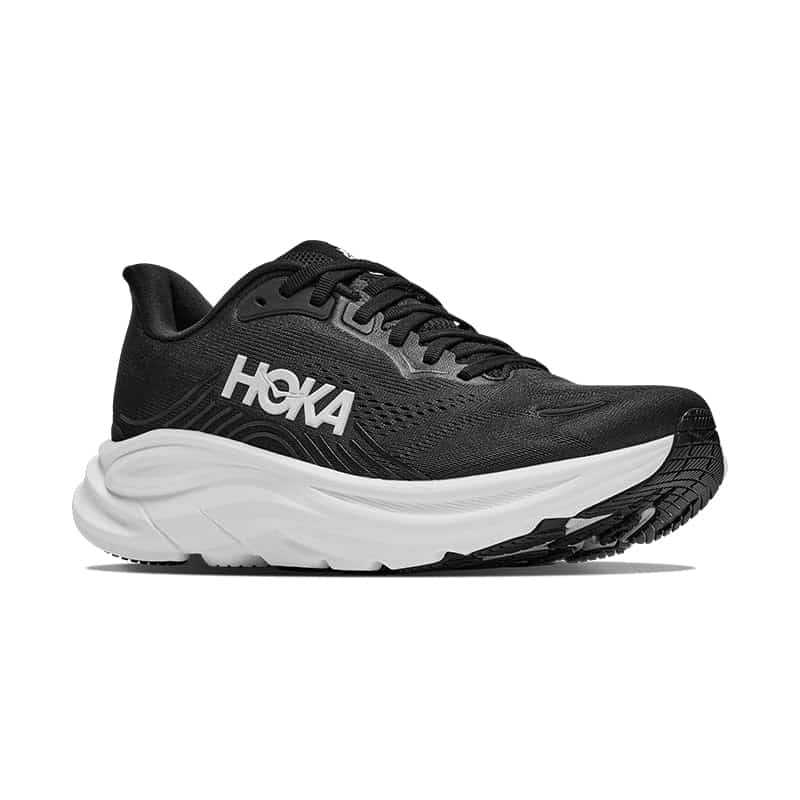
The plush Bondi 9 is the go-to for maximum protection, recovery days and hours on your feet. Want that cushioned feel in a lighter, more versatile daily trainer? The Clifton 11 hits a balanced, do-everything sweet spot.
Why Brooks Running Shoes Are Popular
Brooks has been in the shoe game since 1914, but it found its true calling when it narrowed its focus to running in the early 2000s.
Today it’s one of the most trusted names in the sport because its shoes are dependable, supportive and built to rack up the miles. Browse the Brooks lineup to see why runners keep coming back.
You can count on Brooks for:
A more traditional, structured feel engineered for performance.
Reliable stability and standout durability.
All-day comfort thanks to nitrogen-infused DNA LOFT cushioning.
The Ghost 18 is Brooks’ best-selling daily trainer. It’s balanced, smooth and endlessly reliable. If your gait could use a little guidance, the Adrenaline GTS 25 adds the brand’s patented GuideRails™ support to keep excess motion in check.
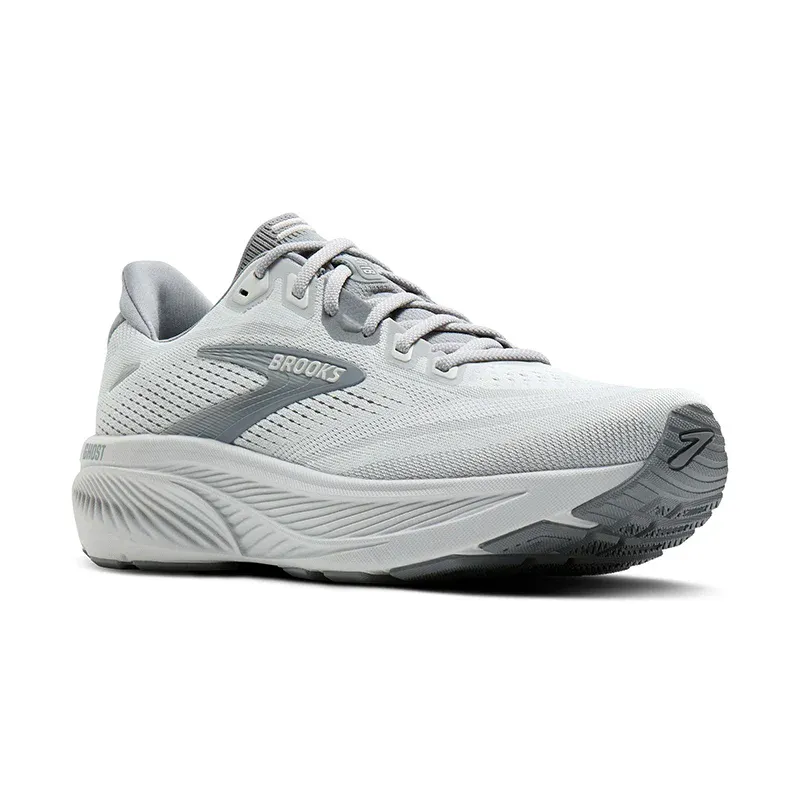
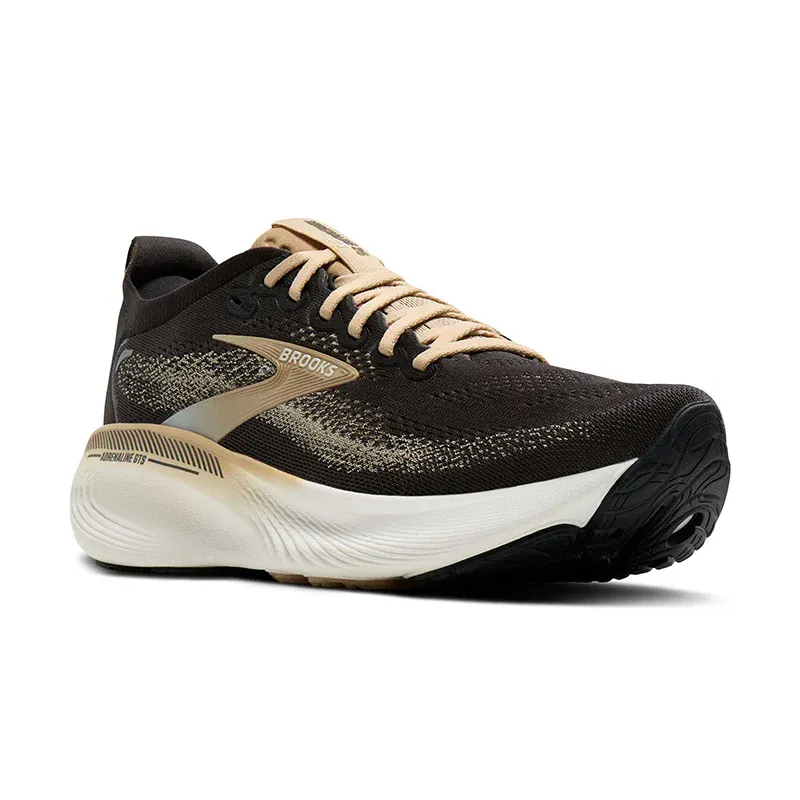
Shop Men's Brooks Adrenaline GTS 25
HOKA vs Brooks Running Shoes: Which Is Better?
The honest answer to HOKA vs Brooks? You can’t go wrong with either. The better shoe is simply the one that fits your foot, matches your gait, and feels right. When you shop at Tradehome, our RealFit 3D scanner can map the arch height, width and pressure points of your feet to identify your ideal size and style.
Until your visit, here’s how the two brands stack up.
HOKA vs Brooks: Cushioning and Stability
HOKA’s cushioning is famously pillowy with serious shock absorption. Stability comes from the geometry, with a wide base and Active Foot Frame™ cradling your foot. HOKA also offers dedicated H-Frame models, such as the Gaviota and Arahi, to help stabilize overpronators.
Brooks takes a firmer, more structured route with nitrogen-infused DNA LOFT cushioning on certain styles. Its GuideRails™ system gently corrals excess motion. If you over- or underpronate, Brooks’ built-in guidance may be the better fit.
HOKA vs Brooks: Step Transitions and Feel
HOKA’s signature MetaRocker™ hugs your sole like a well-worn rocking chair, rolling your foot smoothly from heel to toe during steady road miles and easy efforts. Brooks delivers a responsive, springy ride with a more grounded feel, which can be more helpful on uneven terrain.
If you crave a soft, effortless roll, lean HOKA. If you want feedback and pop underfoot, Brooks has the shoes for you.
HOKA vs Brooks: Weight and Fit
HOKA shoes look massive but feel airy, pairing low weight with deep shock absorption, though that tall stack can leave you feeling a touch removed from the ground. They also tend to run snug with a narrower midfoot.
Brooks shoes carry a more substantial, structured feel anchored in their stability. They're also known for a roomier toe box and a deep bench of width options, from narrow to extra wide.
HOKA vs Brooks Quick-Comparison Table for Runners
Still on the fence? Use this cheat sheet to compare HOKA vs Brooks before your next shopping trip, keeping in mind that every model is a little different.
HOKA | Brooks | |
Cushioning | Ultra-plush, max stack foam with a sink-in feel | Structured DNA LOFT cushioning, firmer and springier |
Stability | Naturally stable wide base, plus models with H-Frame guidance | GuideRails™ support system reins in excess motion |
Style | Bold, chunky, maximalist look in lots of colors | Classic, understated, traditional silhouette |
Longevity | Foam stays cushioned for hundreds of miles | Durable outsoles praised for high mileage |
Sizing/Fit | Snugger, narrower midfoot; wide options available | Roomier toe box and a deep range of widths |
Price | About $150 to $170 for core trainers | About $140 to $170 for core trainers |
Best For | Joint relief, long miles, recovery, and standing | Pronation support, ground feel, and daily training |
FAQs on HOKA vs Brooks Shoes
Still have questions before you commit? Here are answers to the ones our experts hear the most.
Are Brooks or HOKAs Better for Knees?
Neither is objectively better than the other. It comes down to your gait and comfort. HOKA’s deep cushioning and rocker absorb impact and ease the pounding on achy knees, while Brooks’ GuideRails™ rein in the excess motion from overpronation that can strain the knees.
Do Podiatrists Recommend HOKA or Brooks Shoes?
Podiatrists recommend both for their support and stability, though not every shoe will suit every foot. The American Podiatric Medical Association has granted its Seal of Acceptance to multiple HOKA and Brooks models, so you can find options that emphasize foot health from either brand.
Are HOKAs or Brooks Cheaper?
The two land in roughly the same price range, usually between $140 and $180, with styles varying at either end. HOKA prices can run slightly higher overall, with the Bondi 9 sitting at $170. Brooks shoes are often praised for their durability, which can stretch their value further over time.
Find Your New Favorite Pair of Running Shoes
While both brands are leaders in modern running, the choice of HOKA vs Brooks comes down to you and your needs. If you want maximal, joint-saving cushioning and a smooth, rolling ride for long miles or recovery days, HOKA is likely your match.
If you’d rather have structured support, a springier step and a roomier fit—especially if you have pronation—then Brooks is calling your name.
The best way to decide is to know how they feel on your own feet. Visit a TradeHome Shoes store to try both brands and let our knowledgeable employee-owners guide you. With our RealFit 3D scanning technology and over a century of fitting expertise, we’ll match you with the perfect pair. Find a store near you and put your best foot forward.
